Benign paroxysmal positional vertigo (BPPV) is a problem with the inner ear. The inner ear contains the vestibular system. This system is what helps you keep your balance. BPPV causes a feeling of spinning.
Benign means it's not life threatening. Paroxysmal means it comes in sudden brief spells. Positional means that it is triggered by certain head movements or positions. Vertigo is a feeling of spinning.
Understanding the vestibular system
The vestibular system of the ear is made up of very tiny parts. One part contains calcium crystals. Sometimes the crystals can move into the wrong area. When this happens, the system no longer works as it should. This causes BPPV.
What causes BPPV?
Causes include injury to your head or neck. Other problems with the vestibular system may cause BPPV. Often the cause is not known.
Symptoms of BPPV
You may have repeated feelings of spinning (vertigo). The vertigo usually lasts less than 1 minute. Some movements, such as rolling over in bed, can bring on vertigo.
Diagnosing BPPV
Your primary health care provider may diagnose and treat your BPPV. In some cases, they may want you to see an ear, nose, and throat specialist (otolaryngologist) or a nervous system specialist (neurologist).
The health care provider will ask about your symptoms and your medical history and examine you. You will have hearing and balance tests. Your health care provider may have you move your head and body in certain ways. If you have BPPV, certain types of movements can bring on vertigo. Your provider will also look for abnormal movements of your eyes. You may have other tests to check your vestibular or nervous system.
Treatment for BPPV
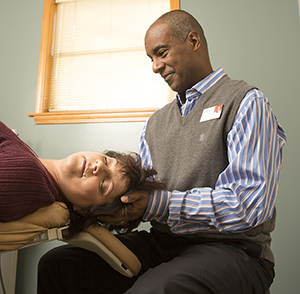
Your health care provider will have you move your head and neck in certain ways to try to guide the calcium crystals back to where they should be. This treatment is safe and often works well. You may also be told to do these movements at home. Vertigo may last for a few weeks. Your health care provider will recheck your symptoms, usually in about a month. Physical therapy may also be part of treatment. In rare cases, surgery may be needed for BPPV that does not go away. Talk with your health care provider about whether it's safe for you to drive.
When to call the health care provider
Call your health care provider right away if:
-
Symptoms don't go away with treatment.
-
Symptoms get worse.
-
You have new symptoms.
Online Medical Reviewer: Daphne Pierce-Smith RN MSN
Online Medical Reviewer: Marianne Fraser MSN RN
Online Medical Reviewer: Sravani Chintapalli Researcher
Date Last Reviewed: 02/01/2025
© 2000-2026 The StayWell Company, LLC. All rights reserved. This information is not intended as a substitute for professional medical care. Always follow your healthcare professional's instructions.