You may want to make a few simple changes around the house before your surgery. It can make life easier and safer after surgery. You can reduce household hazards and limit the amount of reaching and stair climbing you’ll have to do. By planning ahead now, you’ll have less to worry about during recovery.
Make your home safe
Tips for a safe home include:
-
Stock up on canned and frozen foods and takeout menus from places that will deliver to you. Store all supplies, like disposable utensils and dishes, between hip and shoulder level. That way you can get to them without reaching or bending.
-
Prepare a room on the main living level if you usually sleep upstairs. Or set things up so you have to go upstairs only once a day.
-
Pick up clutter and remove throw rugs.
-
Tape down electrical cords.
-
Put items you use often within reach. These include the TV remote and cellphone charger.
Get special equipment
Special equipment may help you have a safer and easier recovery. If pre-op training is offered, try using the devices before surgery. Some of the most helpful equipment is listed below:
-
A raised (elevated) toilet seat
-
A shower seat
-
Handrails and grab bars to help you steady yourself
-
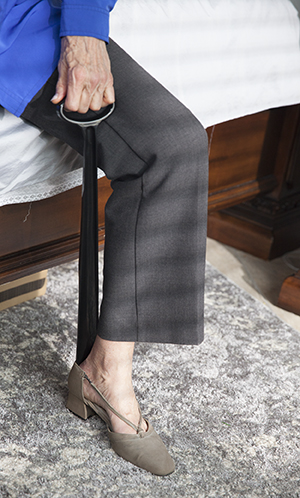
A grasping device to pull on socks and shoes
Arrange for help
After your surgery, you won’t be able to drive for the first few weeks. See if a family member or friend can deliver groceries and help you run errands. If you live alone, ask someone to stay with you for a few days after surgery.
Featured in
Online Medical Reviewer: Jonas DeMuro MD
Online Medical Reviewer: L Renee Watson MSN RN
Online Medical Reviewer: Raymond Turley Jr PA-C
Date Last Reviewed: 03/01/2025
© 2000-2026 The StayWell Company, LLC. All rights reserved. This information is not intended as a substitute for professional medical care. Always follow your healthcare professional's instructions.