Make sure to follow all your surgeon’s instructions after your surgery. If you have questions or concerns, call your healthcare team.
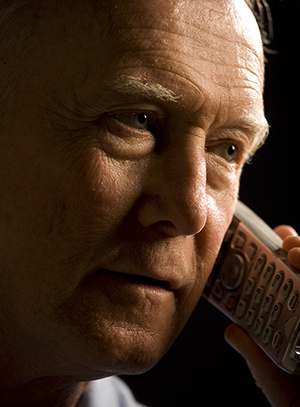
Call 911
Call
-
Chest pain
-
Shortness of breath
When to call your healthcare provider
Call your healthcare provider or get medical care right away if you have:
-
Hip pain that gets worse
-
Pain or swelling in your calf or leg not near your incision
-
Pain or redness in your calf
-
Fever of 100.4°F (38°C) or higher, or as advised
-
Shaking chills
-
Swelling or redness at the incision site that gets worse
-
Fluid or a bad smell from the incision
Preventing infections
An infection can harm the new joint. Any infection in your body, such as pneumonia or a bladder infection, can spread to your new joint. Call your surgeon or primary healthcare provider if you think you have any kind of infection.
Call them if you plan to have a medical or any dental procedures. Your healthcare provider may advise taking antibiotics before any procedures to help prevent infection.
Online Medical Reviewer: Rahul Banerjee MD
Online Medical Reviewer: Raymond Turley Jr PA-C
Online Medical Reviewer: Rita Sather RN
Date Last Reviewed: 10/01/2024
© 2000-2026 The StayWell Company, LLC. All rights reserved. This information is not intended as a substitute for professional medical care. Always follow your healthcare professional's instructions.